Engineered connections. Industrial expertise.

Flanges Manufacturer

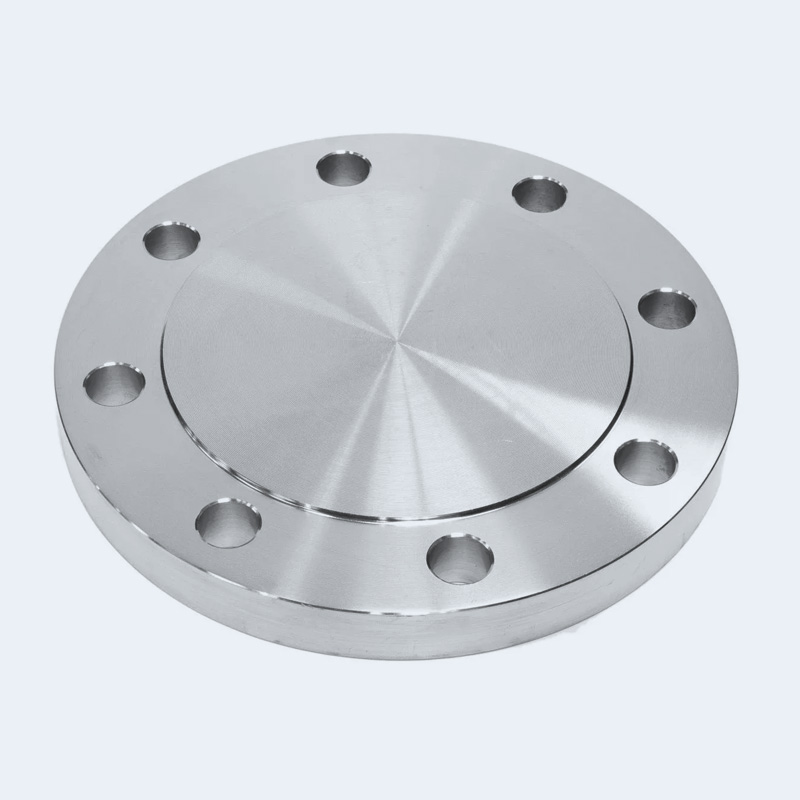
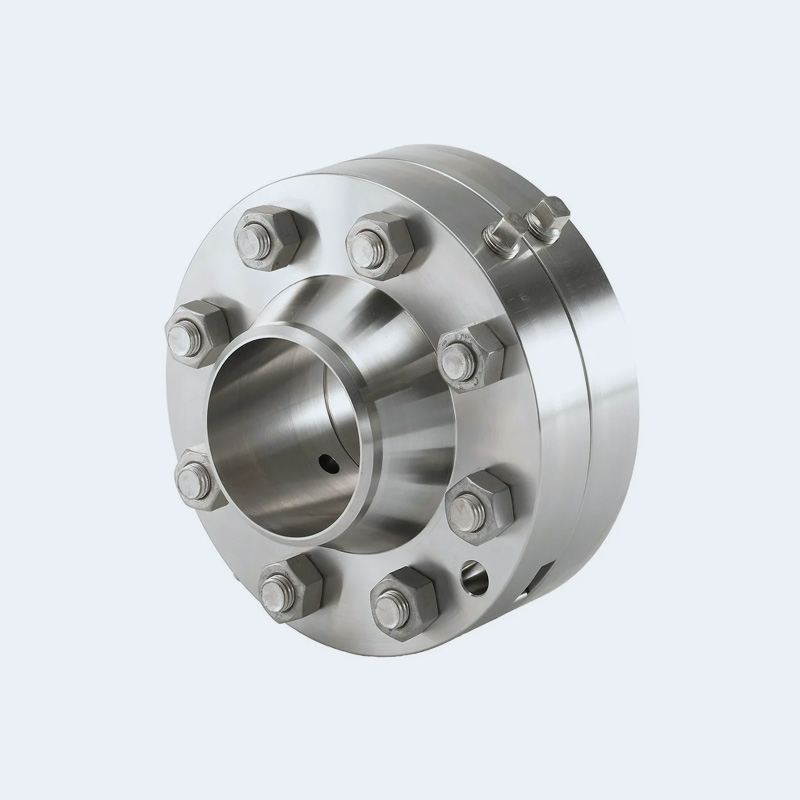
A Flange connects piping and components in a piping system by use of bolted connections and gaskets. Most commonly used flanges are weld neck flange, slip on flange, blind flange, socket weld flange, threaded flange and lap joint flange (RTJ Flange). This type of connection in a flange allows for ease of disassembly and separation for repair and regular maintenance. Most common specification for carbon steel and stainless steel flange is ANSI B16.5 / ASME B16.5.

Types of Flanges

SORF Flange

SORF

SORF Flanges are a popular type of pipe flange designed to accept pipe into the bore/center of the flange for welding around both the Outer Diameter (OD) of the pipe and on the interior side of the connection. The slip-on flange is a simple and excellent alternative to a weld neck as it does not have a weld bevel, and therefore allows the pipe to be adjusted in length relative to its position of the flange. The bore of the slip on will give ample amount of space for the matching pipe. This allows for enough working space for the welder and fabricator to make the connection.

  • Flange Face Type : Flate Face (FF), Raised Face (RF), Ring Type Joint (RTJ)
  • Size : ½" (15 NB) to 48" (1200NB)
  • Class : 150 LBS, 300 LBS, 600 LBS, 900 LBS, 1500 LBS, 2500 LBS, DIN Standard ND-6,10, 16, 25, 40 Etc.
  • Standard : ANSI, ASME, BS, DIN, JIS, EN
  • Specification : ASTM A182 / A105 / A350 / B564
  • Dimension : ANSI B16.5, ANSI B16.47, ANSI B16.36, ANSI B16.48, BS 4504, EN1092, UNI 2277/2278

Manufacturing Process

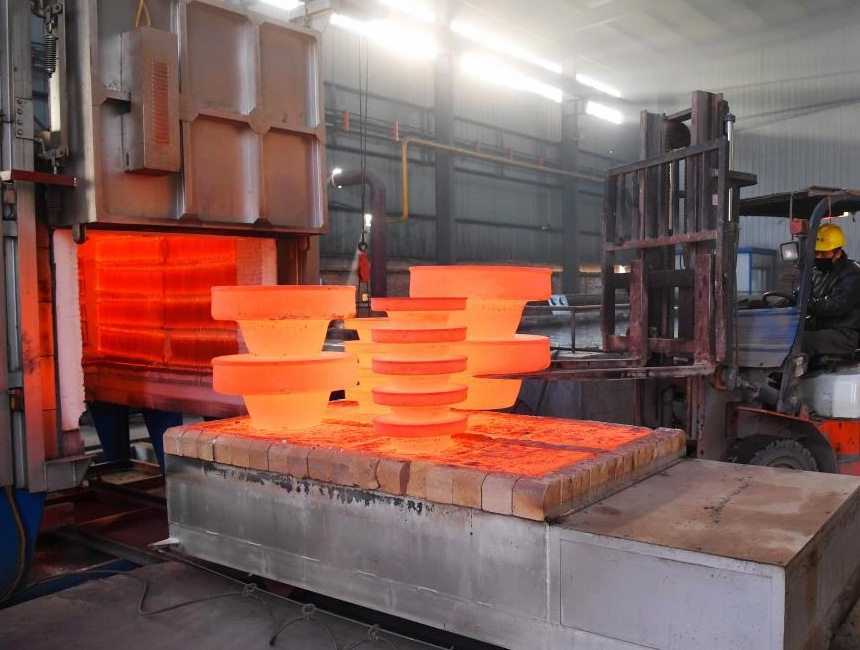
Open die forging is a type of forging in which the metal pieces or workpiece are deformed to the desired shape with the help of dies that do not completely enclose the material.

Open Die Forging

Open die forging is the process of deforming a piece of metal between multiple dies that do not completely enclose the material. The metal is altered as the dies “hammer” or “stamp” the material through a series of movements until the desired shape is achieved. Products formed through open forging often need secondary machining and refining to achieve the tolerances required for the finished specifications. Open die forging is often used for short run forgings of parts that are simple, rather than complex, in design, such as discs, rings, sleeves, cylinders and shafts.

Custom shapes can also be produced with open die forging. The repeated working of the material through the deformation process increases the strength of the grain structure. Some additional benefits of open die forging include improved fatigue resistance and strength. Open die forging also reduces voids.

We Are the Manufacturers in the Various Materials

Factory
  • ASTM A182 304, 304L, 304H, 309, 310, 310S, 316, 316L, 317, 317L, 321, 321H, 347, 347H, 446, 904L

We are your best source for steel Flanges

Contact Now

Applications

Nuclear

Nuclear

Chemical

Chemical

Pharmaceutical

Pharmaceutical

Oil and Gas

Oil & Gas

Petrochemical

Petrochemical

Offshore

Offshore

Hiton Fittings Footer